

Key Takeaways
- The Teamsters union and the global shipping giant have provisionally resolved the looming UPS strike.
- The union must still vote on approving the tentative deal, which could take until August 23. If the vote fails, the union may still strike.
- Labor strike frequency has grown significantly in the last year due to various economic factors like inflation and income inequality.
- Although labor movements can occur locally, they carry widespread implications on the global supply chain.
- Procurement departments should continue to monitor labor movements, as strikes are expected to become more common as worker dissatisfaction grows alongside worsening economic conditions.
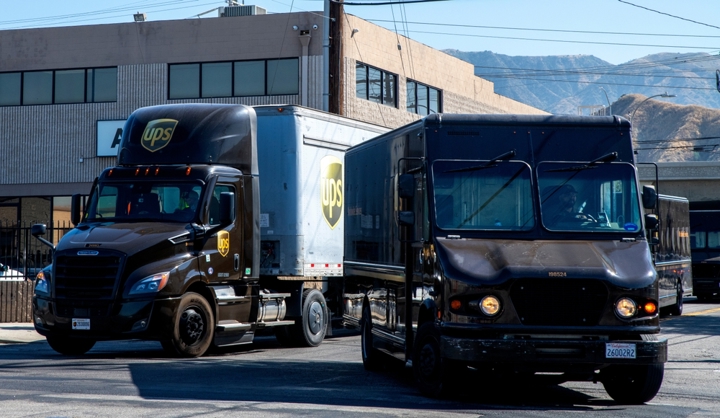
The United Parcel Service (UPS) was in months-long negotiations with over 340,000 employees represented by the International Brotherhood of Teamsters. On July 25th, the Teamsters union and UPS reached a tentative, preliminary deal worth upwards of $30 billion. The provisional agreement marks a significant landmark for UPS workers, who were awarded many of the benefits they were fighting for, such as raises for full-time and part-time drivers as well as air conditioning for new delivery vans.
While some hail it as a victory for the Teamsters, not everyone within the union is satisfied, marking another window in which the Teamsters union now has to sell the deal to its own members. Among other issues, some points of discontent among union members include the size of pay increases for part-time workers and heat control in delivery vehicles—such as air-conditioning—only seeing implementation in new service vans from 2024 on, not vehicles currently in use.
The UPS situation is just one of many labor disputes that have occurred in the past year.
Here’s what we know now and how we, as procurement professionals, can prepare for potential labor strikes:
What are the key details of the UPS Teamsters Agreement?
- After months of tense negotiations, UPS workers have reached a tentative five-year deal with their employer that provides several key provisions that will benefit employees, including:
- Existing part-time workers will be awarded a pay raise to at least $21 per hour, which equates to a 35% raise compared to the current part-time pay of $15.50 across the United States.
- Full-time UPS workers will have wages raised to an average pay of $49 per hour. The pay raise is equivalent to a 6% raise on current salaries. Additionally, average wages across UPS must grow by at least $7.50 per hour over the next five years.
- Lastly, mandatory overtime on employee off days is being removed. This provision will benefit the work-life balance of UPS drivers. Currently, most work between 50-60 hours a week due to high demand and mandatory overtime clauses.
- Along with the benefits outlined in the new agreement, UPS drivers successfully bargained for mandatory air conditioning units in new delivery vans.
- Although the deal must be ratified by a union vote in August, the Teamsters’ leadership is optimistic that these changes will be agreed-upon and finalized in the next month.
The potential UPS strike is just one of many labor movements across the United States. Let’s investigate why strikes have increased drastically in the past year.
What are the economics of labor strikes?
The frequency of strikes grew by over 50% in 2022, with strike activity projected to continue increasing by the end of 2023. Aside from UPS, the WGA/SAG-AFTRA Hollywood strike began in July, with over 170,000 actors and writers joining the fight. Additionally, the United Auto Workers union is preparing to halt manufacturing activity on September 14th if automakers Ford, General Motors, and Stellantis don’t meet contract terms.
So what’s the deal? Why are we seeing such an increase in labor disputes and strike activity?
Let’s look at several economic trends across different US sectors for the answer.
- Inflation: Persistent inflation is a crucial factor motivating workers across the country to fight for better pay. Rising prices are outpacing wage growth, ultimately reducing purchasing power for millions of Americans. Prices for essentials like gasoline, food, and rent have made it difficult to make ends meet. In the UPS strike, a primary motivator was experienced, full-time, and part-time wages being significantly outpaced by inflation.
- Corporate Profits: A common theme across many strikes across the United States in the last year has been record corporate profits. For example, UPS experienced its first year exceeding $100 billion in profit for 2022, with similar projections for 2023. The rise in corporate profit has encouraged animosity among workers who feel they are the backbone of the company and have not seen their wages grow in turn.
- Income Inequality: Rising corporate profits have been accompanied by income inequality growth in the United States. According to the Council on Foreign Relations, the United States is the world leader in income inequality among developed economies. Since 1979, the top 0.01% of earners have experienced an excess of 500% growth in household income. Meanwhile, the middle 60% of earners in the US have only seen their average household income grow 53% in the same period. Slow wage growth and inflation pressures have contributed to increasing working-class strife.
Local disruptions like labor strikes can potentially make a global impact, disrupting supply chains and adding difficulties to sourcing and procurement activities. Let’s look at some projected labor movements that procurement professionals should monitor.
Which local disruptions could have global implications?
- The projected United Auto Workers (UAW) union against Detroit’s Big Three car companies (Ford, GM, and Stellantis) is a potential disruption stemming from labor strikes. As production for electric vehicles (EVs) grow, union workers are concerned about their job security and possible raises in the future. As EV manufacturing requires far less labor than traditional ICE manufacturing, union workers worry that they will eventually be laid off due to decreased labor demand in the industry. Additionally, Tesla’s cheaper, non-union labor adds pressure to union work in the auto industry.
- Some potential consequences of the possible UAW strike on the US and global supply chain include:
- Effects on Parts Suppliers: If the 150,000 UAW workers were to strike, the labor movement would undoubtedly disrupt the automotive supply chain. Part manufacturers for both simple components (nuts, bolts, wiring) and complex systems (sensors, electrical systems) would be left with excess inventory and reduced revenue due to the forecasted slowdown in vehicle production. As parts are often produced internationally by upstream manufacturers, this has broad, negative implications for the global supply chain.
- Impact on Commodity Producers: The automotive supply chain relies heavily on upstream raw materials suppliers. For example, auto production accounts for about 16% of global steel consumption as of 2020. In addition to automotive steel, over 78% of natural rubber was used for tires and related products in 2022. The UAW strike could cause a demand shortage that threatens the financial health of these upstream material suppliers, who often operate internationally.
- Labor strikes in one industry can have widespread spillover effects into related sectors. You should begin taking preventative measures to protect your supply chains against the growing frequency of labor movements in 2023.
How should you prepare for labor disruptions?
Here are some steps that can help secure sourcing operations and decrease supply chain risk in the next few years.
- Diversifying Supplier Base: Contracting with multiple related suppliers for goods or services helps mitigate the risk of business disruptions due to labor strikes. If strikes affect a partnership with a supplier, you can increase purchasing frequency from a competitor.
- Real-Time Planning and Research: Procurement departments need to monitor the capabilities of suppliers continuously. Strikes typically occur after months of planning, which should give you ample time to shield their operations in the event of a forecasted strike.
- Labor Strike Contract Clauses: When contracting with a supplier, you can include a contract clause to outline actionable steps if a labor strike was to occur. The contract clause may consist of a financial penalty clause or plans for alternative production.
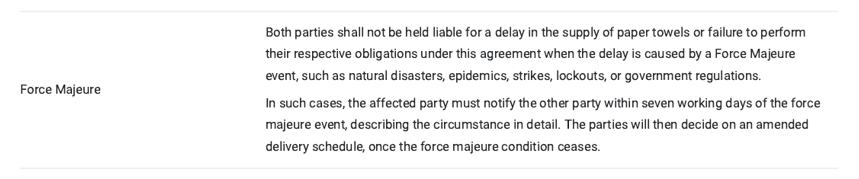
The Key Contract Clauses section of our market intelligence reports can serve as a guide for stipulations you may want to include in contracts with your suppliers. Force majeure clauses--as seen below in our paper towels report--are often made applicable to lockouts and labor strikes.
Labor strikes are yet another obstacle that procurement departments may be navigating soon. Local disruptions can severely affect supply chains, making it paramount for procurement to remain vigilant through regular preparation.
Follow ProcurementIQ on LinkedIn to get notified of the latest procurement news and market developments from our experts to yours.


