
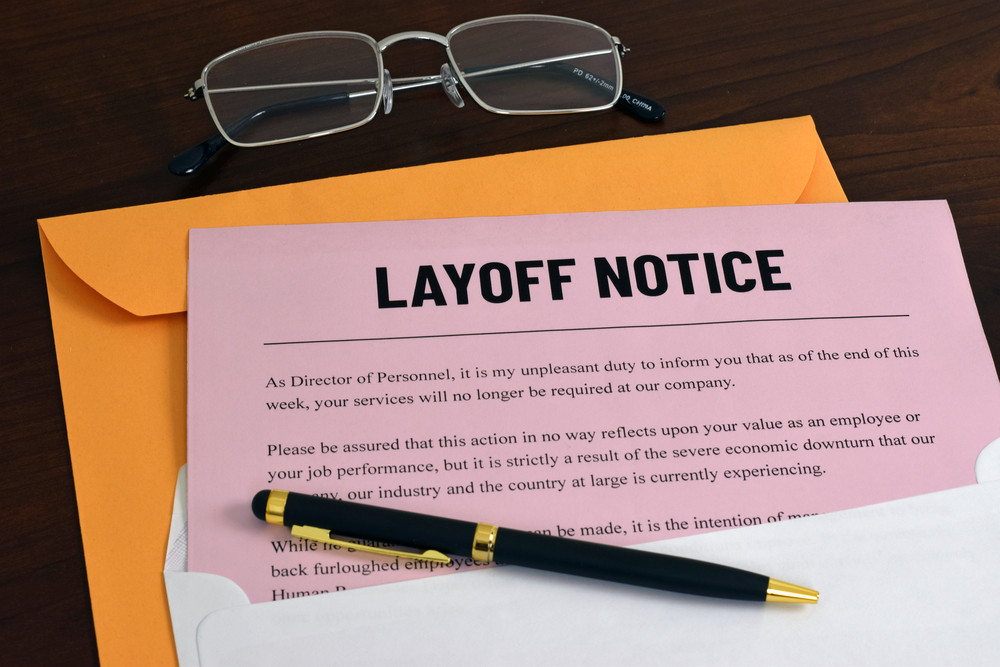
Key Takeaways:
- Employees affected by mass layoffs may be protected by the Worker Adjustment and Retraining Notification (WARN) Act.
- The WARN Act of 1988 is a U.S. labor law that protects employees by requiring employers of 100 or more employees to provide 60 calendar-day notice of planned closings and mass layoffs.
- Mass layoffs occurring in 2023 are due to several factors, including copycat behavior and overhiring after pandemic restrictions eased.
Layoffs are never fun to talk–or write–about. Yes, they impact industries and the economy. Yes, that has wider implications for procurement as we prepare for what looks like an inevitable recession. But it’s important to remember the people who are affected.
It might be of little consolation, but there are several measures workers and procurement departments can take to identify whether they might be affected by the wave of mass layoffs occurring across the United States.
In the first part of this two-part series, we’re going to highlight a resource that may have gone overlooked as well as five major industries that are being affected by layoffs.
What is the WARN Act?
The Worker Adjustment and Retraining Notification Act of 1988 is a U.S. labor law that protects employees, their families, and communities by requiring most employers of 100 or more employees to provide 60 calendar-day advance notice of planned closings and mass layoffs.
According to the U.S. Department of Labor, employees “must receive a written notice 60 days before the date of a mass layoff or plant closing” if they meet certain requirements laid out by the WARN Act. If employers don’t give adequate notice, affected employees may be entitled to back pay and benefits for up to 60 days. While these financial consequences may not break the bank for large companies, the WARN Act provides an easy way for businesses to comply and gives workers crucial notice that can help them plan appropriately in case they find themselves temporarily out of work.
Affected companies and the number of layoffs expected can be found on a state-by-state basis through a state’s department of labor or employee development website. For example, New York and California, two of the states experiencing high numbers of layoffs, have their WARN Act notices located here:
Why are we seeing mass layoffs in major industries entering 2023?
There are a number of factors that are causing mass layoffs across many different industries. While there’s no “one size fits all” data point, we’ve noticed several common elements that are contributing to the wave of layoffs.
- Cutbacks: Generally, business executives have expressed that they’re conducting layoffs in response to corporate spending pullbacks, high inflation, and recession fears.
- Overhiring: Overzealous recruiting as pandemic concerns waned led to perceived company “bloating” irrespective of actual profit margins and macroeconomic factors facing different industries.
- Planned layoffs: Likewise, companies use macroeconomic factors as a reason to conduct layoffs they would have likely carried out regardless of the economy or their company’s financial outlook.
- Mimetic behavior: Many other industries look to the tech industry for guidance on how to navigate complicated macroeconomic environments since the industry enjoys the luxury of big balance sheets and high profit margins. The mass layoffs in the technology sector may have influenced other industries to mimic a leading industry’s strategy.

Which five sectors are facing the biggest layoffs?
While we’re seeing layoffs across a wide variety of industries, these five sectors stand out as areas that will have far-ranging effects across the procurement world:
1. Technology
The layoffs in the technology sector have garnered the most media attention, as the larger firms in this industry like Amazon, Google, and Meta, take center stage of mainstream business discourse. Tech sector layoffs can be especially deep as roles are often organized around developing specific products, and companies are decisive when it comes to axing a product that is deemed unprofitable, making entire teams redundant.
Mass layoffs in tech can in part be explained by mimetics – if one major player lays off thousands of employees, other competitors may follow suit as they see such a move to be advantageous in the market and within the broader macroeconomic perspective.
With Meta laying off 11,000 employees last November and Elon Musk’s swift takeover of Twitter and workforce cull, several tech leaders of large companies are now considering whether their own organizations require downsizing. While some organizations might opt to thin their workforce more subtly by requiring workers to return to the office instead of allowing continued remote or hybrid work, most will choose to use layoffs, where they can control who stays and who goes.
2. Automotives
Historically, automotive sector layoffs have come from strategic decisions on plant locations, based either on the models manufactured there or cost considerations surrounding the labor pool, access to materials, and regulatory environment. More recently, the automotive sector has conducted layoffs primarily because electric vehicle (EV) manufacturing requires less labor than traditional automotive manufacturing.
Recent studies by Ford, Volkswagen, and consulting firm AlixPartners showed electric car components require 30.0-40.0% less labor compared to components for gas-powered vehicles. This means that companies prioritizing EV manufacturing, a group that is growing due to the recent expansion of federal grants and loans for greener technologies, must consider downsizing their workforce regardless of the surrounding macroeconomic environment.
Ford continues to trim its workforce for this very reason. Last summer, the company laid off 8,000 employees in gas vehicle assembly and a further 3,200 in Europe as the company plans to go fully electric by 2035. Unlike in the tech sector, these layoffs are unlikely to cease even as interest rates decline and economic conditions improve, as the shift towards EVs will continue to reduce tens of thousands of jobs over the next decade.
3. Financial Services
The banking and financial services sector has seen major players shed thousands of employees as operating costs continue to rise and profits decline. For example, Goldman Sachs had an almost 70% drop in fourth-quarter profit last year while operating expenses increased by 11% from 2021 to 2022, prompting a 6% layoff of their total workforce. Morgan Stanley let go of 1,600 employees in December, citing less deal flow and a natural trimming-down process after years of successive growth.
Several of these cuts are in credit and investment divisions, as even Bank of America – one of the last major holdouts of the financial sector in staving off layoffs – announced they would be cutting positions in their investment bank.
4. Logistics and Transportation
The logistics and transportation sector has seen major upheaval in recent months, with FedEx laying off 12,000 workers since June and Flexport axing 20% of its workforce. In 2021, many suppliers in this market engaged in bidding wars with competitors for employees as they were in dire need of personnel to meet demand. As consumer spending cooled and shifted from products to services, demand for shipping services has declined and keeping high-salaried drivers cuts into company profits.
At the same time, the shift toward automation and digitization post-pandemic has led to improved efficiencies. This trend has been a driving factor behind CH Robinson’s layoffs. The company laid off 650 workers last November and has plans to further reduce headcounts in 2023 to cut costs.

5. Manufacturing
A mix of rising input costs and external demand has weighed on the manufacturing sector. Declining consumer spending on products has impacted the manufacturing sector in much the same way as freight and logistics. When interest rates are high and an unfavorable economic environment drives costs up, manufacturing companies tend to respond by reducing the wage bill in nonessential roles such as marketing and research development, while maintaining jobs in core functions.
3M is cutting 2,500 jobs in manufacturing due to poor returns in 2022 when sales dropped 6% from Q4 2021 to Q4 2022. Unfortunately, weak forecasts for 2023 suggest that continued cuts may be necessary. Meanwhile, the Dow Jones Chemical Company slashed 5% of its workforce, citing higher production costs due to the Russian invasion of Ukraine.
Actionable Insights
- You can gain a greater understanding of your negotiating leverage with suppliers as well as the general direction an industry is heading in by researching layoff data and checking WARN Act notices.
- Ask suppliers directly about which factors are impacting their decisions on layoffs and how your business may be impacted by such decisions.
- Ask your suppliers how your business will be protected from the costs of their layoff decisions.
Check back next week for part two of this series to learn more about how layoffs across the economy could impact procurement and how to best mitigate impacts for your organization.
Follow ProcurementIQ on LinkedIn to get notified of the latest procurement news and market developments from our experts to yours.


