
Key Takeaways
The airline industry has seen increased instability due to high-profile incidents and lingering pandemic disruptions. While consumer demand remains high, the instability has resulted in struggles to meet high demand and decreased revenue for suppliers.
Supply chain disruptions and mounting losses have led to a reduction in flight frequencies and canceled routes.
Struggles among airlines can have significant ramifications for procurement in the form of delayed deliveries and higher transportation costs.
Buyers should be proactive in addressing volatility.
Airlines have faced substantial instability over the past three years, as high operating costs and external factors triggered disruptions and price fluctuations. The outbreak of the coronavirus pandemic caused demand to plummet as international and domestic flights were canceled, creating uncertainty and driving lower revenues for suppliers across the board, from parts manufacturers to cargo transporters.
Four years later, the situation has flipped: airlines are experiencing elevated demand for passenger and cargo services while capacity is in short supply. So, how did we get here.
Why are airlines losing money?
Filtering reports using the Data Wizard tool, the report on “Domestic Air Travel Services” has the unique market characteristics of high supply chain and vendor risk combined with low and falling profit levels. Top suppliers in this market, including United, American, Southwest, and Alaska, reported substantial net losses in their first quarter financial filings. Much of these losses have been attributed to the grounding of Boeing 737-9 Max planes following the blowout of an emergency exit on Flight 1282 in January of this year. As the FAA continues to conduct a thorough inspection of each plane, production for these aircraft has ground to a halt.
But it’s not only Boeing and its high-profile accidents that are weighing on supply. Airbus CEO Guillaume Faury notes that supply chain issues are “not improving” as effects from the pandemic continue to linger, creating a shortage of labor, parts, and engines. According to the Load Star, lead times for certain windshields and metals are now “two to five times longer than normal.” With the lack of air travel and uncertainty regarding the duration of stay-at-home orders, fleet retirement rates increased, lease rates decreased, and manufacturers throughout the supply chain halted production.
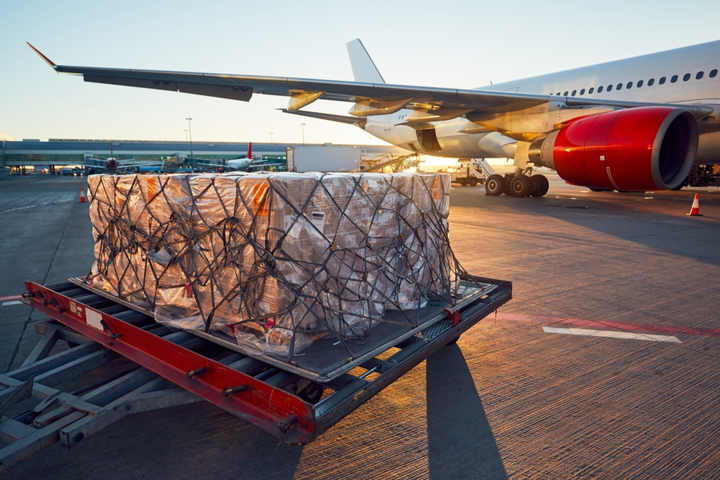
Similar to how semiconductor chip shortages suspended the production and delivery of vehicles, the absence of any singular part delays the entirety of a plane’s production. Airplane manufacturers face broad-based supply chain disruptions where production slowdowns are not simply attributable to one or two specific materials but instead to a variety of parts and chokepoints. In response to this lack of supply, several airlines, including JetBlue and Southwest, have announced they will be canceling routes and reducing the number of flights to certain destinations as they restructure operations amid increased losses.
These cancellations come at a time when air travel demand continues to rise. Already, checkpoint volumes have surpassed 2023 and pre-pandemic levels this year, while the summer travel season is projected to be the busiest on record. The struggle to meet high demand, given the low supply of flights and planes, creates an imbalance in the market, which may lead to more expensive flights.
But outside of summer vacations and travel plans, how do these developments impact procurement?
How is air freight changing?
Airlines and the FAA are notoriously stringent about weight requirements on planes. Airlines take into account the anticipated weight of the passengers and their luggage when traveling, along with other ancillary considerations such as fuel and equipment. Less known, however, is that all commercial flights carry commercial cargo in the belly of the aircraft. In fact, nearly half of the materials located in the storage compartment of passenger airplanes consist of commercial air cargo.
By placing cargo in the passenger airplane hold, airlines maximize the revenue and profit generated from each flight. Passenger flights also have a wider distribution network, with more frequent flights traveling to different locations, providing quicker and more reliable cargo distribution. With fewer flights, storage in the belly of aircraft will become scarcer, adding upward price pressure to delivery rates for goods throughout supply chains.
Where will airline changes affect procurement the most?
In 2024, cargo demand has risen by over double digits year-over-year, largely owing to an increase in e-commerce sales. At the same time, suppliers are contending with shortages of planes, engines, and parts, with 120 wide-body freighters out of 650 worldwide anticipated to retire in the near future.
In general, due to demand seasonality, air cargo rates are higher during the holiday and winter seasons as more goods and products are ordered and delivered. Conversely, rates decline in the summer months as consumers shift toward passenger travel, prompting airlines to increase the number of passenger flights. The additional capacity created by more frequent flights combined with relatively lower demand makes air cargo less costly during the summer season; however, the aforementioned supply chain and profitability concerns of major airlines, where maintaining their number of flights is proving challenging, threaten to keep air cargo rates elevated even during the off-peak season.
The impacts of reduced flights will not be universal. For buyers shipping goods across the transatlantic corridor between Europe and North America, the belly capacity increase is expected to suppress air cargo rates, as passenger travel and routes are projected to return to pre-pandemic levels.
In contrast, buyers shipping goods from China will likely see elevated rates as demand for Chinese e-commerce products continues to remain strong, creating congestion at major airports. At the same time, the capacity of passenger planes traveling from China internationally is still operating 30.0% below pre-pandemic levels, presenting additional supply-side challenges for shippers.
Actionable Insights
Here are a few steps you can take to minimize risk exposure from airline volatility
Establish Escalation Clauses
- Buyers should consider establishing price escalation clauses specifically for fees tied to air cargo transportation. Price escalation clauses outline the conditions that allow suppliers to increase prices while oftentimes having a maximum cap as well.
Cite Third parties
- Index-linked clauses are increasingly common in the air cargo transportation market, where prices are linked to a third-party metric. As these clauses follow market conditions, they reduce the time spent negotiating while providing buyers with an established capacity allotment for the contract duration. Buyers may incorporate price floors, ceilings, and escalation clauses tied to index values.
Opt for larger orders
- Buyers should find ways to reduce the number of separate shipments by creating larger orders on a less frequent basis. Air freight is still significantly more expensive than other mediums of transportation, so discussing how to reduce the number of trips with suppliers ultimately lowers the average transportation costs per item.
Consider Penalties
- A penalty clause specifically tied to late deliveries allows buyers to receive recompense in the form of fines or discounts for goods not delivered within the agreed-upon timeframe. Buyers should ensure these clauses explicitly state the definition of a delay, the total penalty for different types of delays, and the total amount of late penalties that may be collected.
Follow ProcurementIQ on LinkedIn to get notified of the latest procurement news and market developments from our experts to yours.


