
Key Takeaways
Production concerns affecting Boeing and Airbus, the two largest aircraft manufacturers in the United States, are adding significant volatility to the corporate and consumer travel market.
Due to the current market volatility, buyers should adopt several best practices to reduce the cost burdens associated with corporate travel.
ProcurementIQ’s tools will help procurement departments gain insights into price trends, market risks, and sustainability progress, enabling strategic corporate travel decision-making.
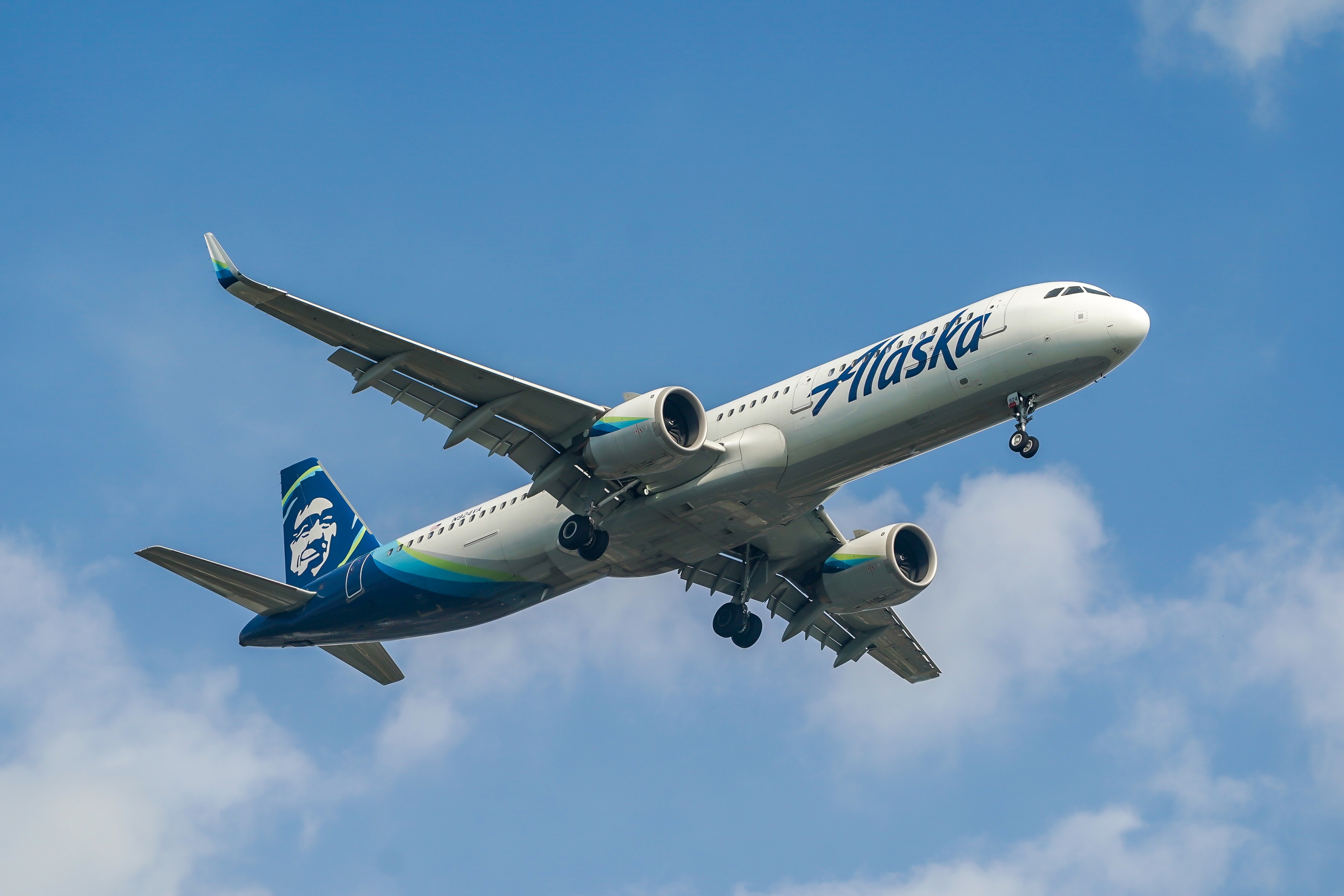
The airline industry has been struggling in recent months. The airline industry is facing a significant squeeze from airplane safety concerns stemming from Boeing aircraft and falling production from Airbus. The industry's woes are expected to continue into summer, typically the busiest period for consumer flying. Here’s what you can expect in the next few months, with some best practices to better insulate your business from the currently volatile market.

What issues are Boeing and Airbus facing?
In January 2024, Boeing was thrust into the national spotlight due to a panel blowing out mid-flight, signaling safety concerns and a lack of quality control within its production lines. After the event, Boeing’s stock fell by over 34.0% in the next three months. The airline manufacturer also had to cut production significantly to ensure that new aircraft reached safety targets. This drop in production has contributed to higher airfare costs and even the rerouting of flights from airports due to the unavailability of aircraft.
Airbus, Boeing’s largest competitor in the aircraft manufacturing space, has largely avoided controversy. However, Airbus production has been unable to meet the growing production needs surrounding the airline industry. The firm faces a major production backlog of over 8,600 planes, meaning it has limited manufacturing capability to capitalize on Boeing’s current government-mandated production cuts. Limited production is primarily attributed to supply chain issues, which Airbus’ CEO stated are 'a world of bottlenecks'. In response, the aircraft manufacturer has expanded its team of supply chain professionals by 150% in the last two years to navigate the uncertain environment.
How does this affect consumers and adjacent businesses?
Unfortunately, supply issues plaguing Boeing and Airbus are coinciding with the highest period of consumer travel demand since the pre-pandemic era of 2019. The airline industry is expected to transport over 4.7 billion individuals in 2024, exceeding the prior peak of 4.5 billion flyers in 2019. Low aircraft supply and high demand are expected to drive airfare prices skyward while reducing the number of flights traversing the United States.
The aircraft leasing market reflects a major effect of the airline industry's recent struggles. Prices for new Airbus and Boeing passenger aircraft leasing have reached their highest since pre-2008 at $400,000 monthly. Additionally, airlines are spending over 30.0% more on aircraft leasing compared to the pre-pandemic era. Higher leasing, repair, and production costs are expected to further drive airfare prices upwards. As the number of planes has also fallen, the risk of flight delays has also grown in the last year.

What can I do to minimize current airfare costs?
Business buyers of airfare should consider several best practices to minimize airfare costs amid the currently volatile industry, including:
- Shopping Early
Due to the currently volatile nature of aircraft supply and airfare prices, buyers (especially of businesses with a high corporate travel volume) should be sure to monitor prices and buy early. The overall reduction of aircraft supply means fewer flights and a higher likelihood of flights filling up early. Leading industry experts advise that purchasing flights one to three months in advance is the sweet spot for securing the lowest fares possible.
- Account for Seasonality
Seasonality is an important factor for airlines when determining airfare prices faced by businesses and consumers. In general, travelers should expect the highest airfare costs in the summer and fall, both of which are the most popular travel periods annually. When traveling during these seasons, it becomes more important to shop early for deals as flights reach full capacity much faster.
- Utilize Travel Management Software
Travel management software is an integral tool for businesses looking to streamline travel planning and reduce costs. The software enables employees to book flights, hotels, and rental cars within the suite while ensuring that budget targets are met. Firms utilizing travel management software enjoy increased compliance rates, reduced travel expenditures, and higher traveler safety rates. Buyers of corporate travel should investigate how travel management software can assist their corporate travel needs, as current airfare prices are highly volatile.
How can I gain insight from ProcurementIQ's DataWizard?
ProcurementIQ has recently updated its DataWizard tool, which allows its expansive report library to be easily sorted based on metrics like historic price trends, forecasted prices, and recent price volatility, among other product or price-related characteristics. Based on ProcurementIQ’s estimates, the domestic air travel market has experienced high and volatile price growth in the last three years. This price trend is expected to continue in the next three years, although at a slower rate, as supply chain issues plaguing the industry are resolved.
Additionally, users can gain insight into valuable market characteristics. Product and service reports can be sorted based on their market share concentration level, average vendor financial risk, and supply chain risk. The analysis in these sections provides relevant information on risk levels and factors currently affecting the market.
Data Wizard also allows clients to sort reports based on sustainability characteristics, specifically environmental, social, and governance (ESG) trends and supplier diversity levels. Analysts have worked diligently in the last two months to beef up the ESG trends section for the library of over 1,200 reports. The new analysis includes market-specific ESG progress and targets pulled directly from major suppliers operating in each market. Additionally, ESG enhancements have implemented standardized pay equality and governance statistics relevant to each product or service market. This standardized content allows readers to gain valuable insight into their intended markets' leading, sustainable suppliers.
Concluding Thoughts
Given the ongoing challenges in the airline industry stemming from manufacturing woes at Boeing and Airbus, businesses should proactively adapt to minimize costs amidst the volatile environment. Utilizing best practices like early bookings, accounting for seasonal trends, and leveraging travel management software can significantly reduce the impact of market volatility. Additionally, tools like ProcurementIQ’s DataWizard can provide actionable insights into price trends and market risks, thus supporting more informed decision-making for business travel needs.
Follow ProcurementIQ on LinkedIn to get notified of the latest procurement news and market developments from our experts to yours.


