

Key Takeaways
The CHIPS Act of 2022 is finally taking root in several US states and will bolster domestic semiconductor production while creating thousands of jobs.
The act has led to significant investments in semiconductor manufacturers like Intel and TSMC, enabling them to expand their production capabilities within the United States.
The expansion of domestic semiconductor production is expected to have several positive effects on procurement, from supply growth and price stabilization to improved supplier relationships, risk mitigation, and supply chain diversification.
The ongoing trend in procurement over the last three years has been supply chain issues. The coronavirus pandemic, geopolitical events, and adverse weather events have negatively affected many industries. As procurement professionals, this has made it difficult to accurately source goods and services while creating value.
Thankfully, the CHIPS Act enacted in 2022 is finally gaining traction and will chip away at the semiconductor shortage that has negatively affected prices for many industries.
What is the CHIPS Act of 2022?
As many of you know, the world experienced a widespread semiconductor shortage between 2020 and 2023. The pandemic significantly increased demand for consumer electronics due to remote work and education, which, paired with other factors like the US-China Trade War and the Russia-Ukraine War, caused a huge spike in chip prices. According to Goldman Sachs, approximately 169 downstream industries were negatively affected by the shortage, none more so than the automotive and consumer electronics industries.
Automotive manufacturers lessened production at the beginning of the pandemic, as they justifiably expected car sales to decline amidst the global event. However, consumer demand for cars remained high, with a significant chip supply reduction. This trend, combined with high interest rates, caused vehicle prices and wait times to increase sharply in the next two years. Both consumers and businesses relying on vehicle fleets were negatively affected by this shortage. Additionally, the consumer electronics industry uses about 50% of chips globally. Declining chip production and the booming cryptocurrency industry resulted in computer prices skyrocketing.
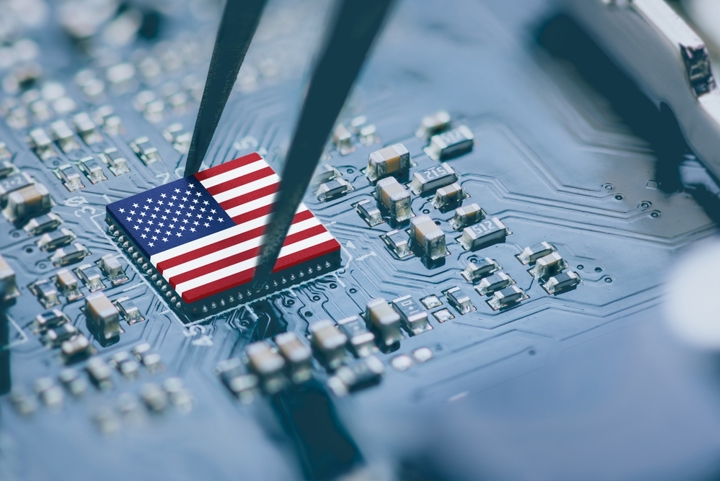
In response to these events, the Biden Administration and Congress enacted the CHIPS and Science Act in August 2022. Under this act, the United States pledged to invest over $50 billion in federal funding toward research, development, and production of semiconductors. Historically, the US has yet to produce any cutting-edge semiconductors domestically, which has made the country heavily reliant on imports from countries like China, Taiwan, and Israel. The billions in federal investment should improve US economic and national security while creating thousands of new jobs in local communities.
What's the latest news on the CHIPS Act of 2022?
One of the primary goals of the CHIPS and Science Act is to turn the United States into a major global player for leading-edge logic chips. To put it simply, these chips have advanced processing capabilities and typically feature new, groundbreaking technology. As of 2024, the United States currently manufactures 0% of these chips, with companies like Taiwan and China dominating the space. However, the Biden Administration hopes the US will produce at least 20% of leading-edge chips by 2030, a lofty goal requiring heavy investment and innovation within the domestic sector.
Intel, one of the largest global semiconductor manufacturers, has recently been granted an additional $8.5 billion by the US government to continue its fab expansion. The firm plans to expand its production capabilities in Arizona, Oregon, and New Mexico. Additionally, the firm will invest more into its $20 billion Ohio project, where Intel plans to have two new production facilities operating by 2026. Intel's forecasted production growth is positive news for the global economy and procurement operations, as the firm has partnerships with over 9,000 suppliers in 89 countries.
The CHIPS and Science Act has also opened the door for foreign semiconductor manufacturers to expand their operations on US soil. For example, Taiwan Semiconductor Manufacturing Co. (TSMC), a leading player in the global chip market, has also been awarded $6.6 billion in federal grants from the US government. This grant is on top of the already $65 billion the firm has invested in US production in recent years. With federal funding, TSMC has recently announced plans to expand its manufacturing capabilities in Arizona, where it already employs thousands of workers in its two fabs. As over 70% of TSMC customers are US-based firms (Apple, Qualcomm, NVIDIA), the production growth will ultimately strengthen supply chain resilience within the United States.

How will the CHIPS Act affect procurement?
Growing investment into domestic semiconductor production will have widespread, positive effects on procurement. Benefits will include:
- Supply Growth and Price Stabilization
Downstream markets that rely on semiconductors should have easing price growth and increased resilience from supply shocks. Take the automotive industry, for example. According to industry experts, a modern car uses between 1,300 and 1,500 semiconductors, while a new electric vehicle (EV) uses about double. With EV sales showing record growth quarter after quarter, growing chip production should ease the sector's current supply issues. This trend will benefit both consumers and businesses relying on vehicle fleets, which will grow in importance as EV legislature grows in states like California.
- Improved Supplier Relationships
As US semiconductor development grows and production increases, downstream chip buyers will have more opportunities to improve supplier relationships. Chip giants like Intel and TSMC will have a much stronger domestic presence, signaling a higher degree of trust and reliability to US customers. Additionally, these firms will rely on local suppliers, bolstering domestic supply chains and ultimately fostering goodwill between US partners.
- Risk Mitigation and Supply Chain Diversification
As previously mentioned, one of the goals of federal grants toward domestic chip production is to bolster the United States' economic and national security. The United States was hit hard by chip shortages, exacerbated by its nearly complete reliance on foreign production of leading-edge chips. Growing the presence of suppliers like Intel and TSMC will certainly insulate upstream buyers relying on chips in daily operations if supply chain events similar to the pandemic occur again. The trade war between the United States and China is heating up, making US chip production increasingly important.
Concluding Thoughts
The CHIPS Act is gaining traction in 2024 and is forecast to improve procurement operations – which will improve supply stability, better supplier relationships, and strengthen risk mitigation. By investing heavily in domestic chip production, procurement professionals can expect enhanced resilience against global supply shocks and price volatility, improving procurement outcomes across industries.
Follow ProcurementIQ on LinkedIn to get notified of the latest procurement news and market developments from our experts to yours.


