
Key Takeaways
- A procurement operating model (POM) refers to how procurement responsibility is allocated across stakeholders in an organization. POMs can be characterized on a spectrum of centralized to decentralized.
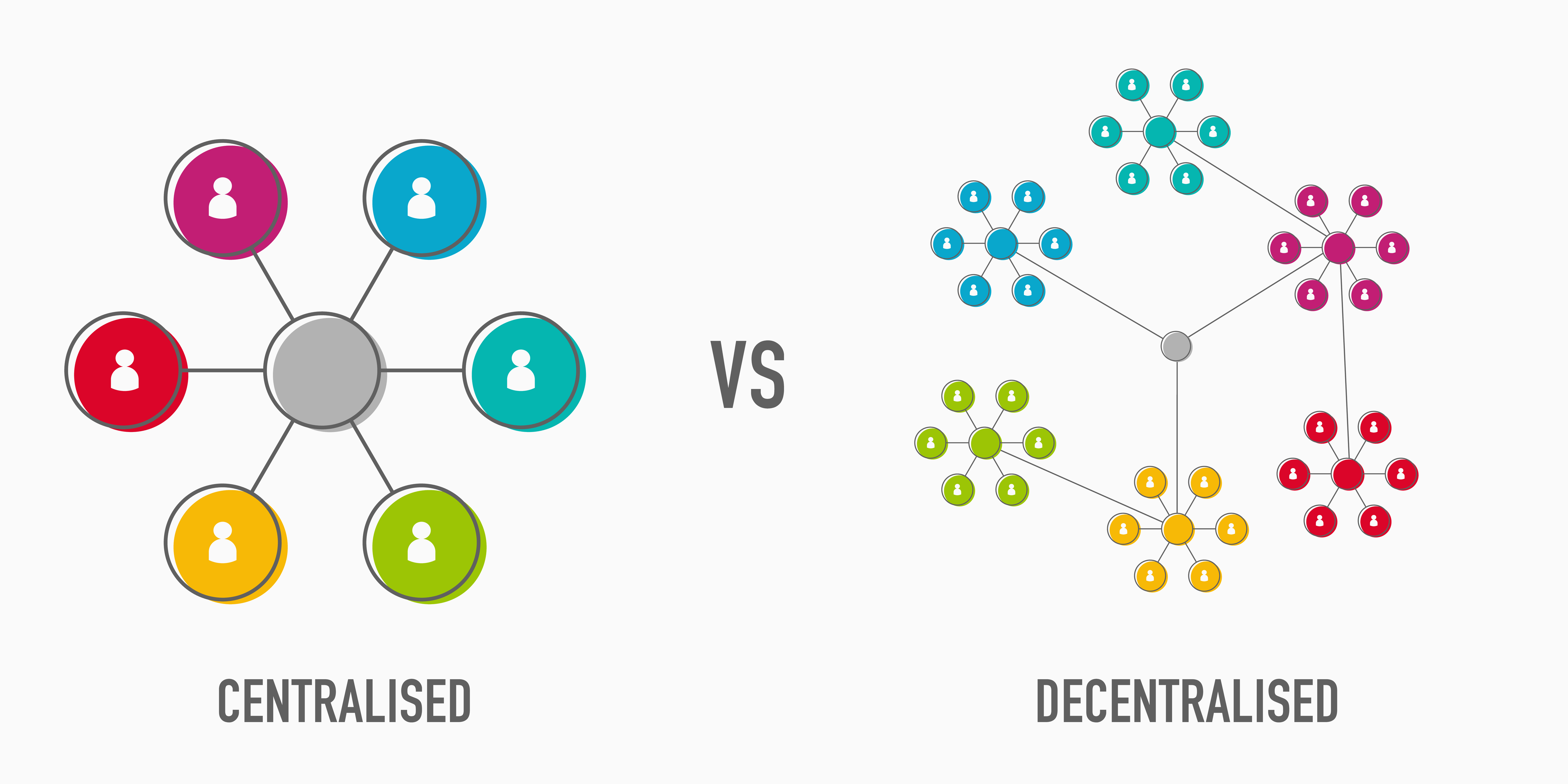
- A centralized POM allocates all procurement strategy and purchasing decisions to a single department or team within the organization, usually at its headquarters.
- A decentralized POM allocates purchasing decisions to individual stakeholders working at different locations and levels of the organizational hierarchy.
- The COVID-19 pandemic has pressured organizations to reconsider their procurement operating models in light of organizational shifts stemming from remote work and the virtual economy.
The COVID-19 pandemic changed the way organizations approach procurement. It’s only now, after several years, that we’re seeing compelling data to back that up. According to research from KPMG, 83% of organizations have changed their procurement operating model (POM) in the last five years. Organizations are benefitting from delegating purchasing decisions to site managers or even individual employees that work remotely, which is referred to as “decentralized procurement.” This stands in contrast to the more traditional centralized model, where all procurement decisions originate from the corporate headquarters’ procurement division.
Of course, not all of these decisions are so black and white: many organizations have adopted a hybrid approach that falls somewhere between fully centralized to decentralized. Hybrid approaches that lead with a centralized strategic initiative but give autonomy to decentralized employees have been referred to as “center-led.”
It’s important to realize that there’s no one-size-fits-all model. The factors discussed below assume that all else is held equal, so you should always consider the unique aspects of your business.
Which market factors are relevant for a decentralized approach?
- Geographic price disparities: Goods and services with geographical price disparities are better suited for decentralized procurement. This way, decentralized purchasers can familiarize themselves with local pricing dynamics based on numerous geographic factors. Common factors for these price disparities include:
- Infrastructure and proximity to major suppliers can influence shipping costs.
- Average wages and income can influence suppliers’ pricing power.
- State regulations can influence suppliers’ overhead costs and prices.
- Cultural norms: A decentralized approach can help local buyers navigate the cultural norms that surround the sales process, particularly in negotiations, that vary based on different regions of the United States. For example, businesses on the East Coast (i.e., New York City) tend to be more direct and assertive in the negotiation process, whereas businesses on the West Coast can be less direct in their communications.
- Seasonal price fluctuations: Goods and services with seasonal price fluctuations are better approached by decentralized processes because purchasing decisions can be made more efficiently to take advantage of discounts and inventory changes. Seasonality is usually due to weather patterns and the holiday season. For example, HVAC-related services tend to be in greater demand during the hot summer months, whereas information technology services tend to have steady demand all year round.
- Local and small businesses: some markets, particularly for services involving physical labor, require local suppliers so they can travel to the buyer’s site. If you’re engaging with local suppliers, it’s harder for a distant centralized team to properly nurture supplier relationships. The owner of a small business operating locally may be less inclined to trust an executive from corporate headquarters but more willing to trust an employee that has the time to focus on building the relationship.
Working with local suppliers as part of a decentralized model typically entails a more streamlined purchasing process with shorter buying lead times. This way, there is less risk involved with delegating purchasing decisions to individuals in your organization that may lack a robust procurement skillset.
Which market factors are relevant when considering a centralized approach?
- Regulatory and compliance: If you’re operating in an industry with lots of regulatory red tape, such as health care, energy, or manufacturing, the centralized approach may be more suitable. That way, you can eliminate the risk of single employees making purchases without a robust understanding of the regulatory environment and corporate policy. This often requires highly specialized knowledge that is seen more in strategic leads as part of a centralized operation.
- Homogeneity: Buyers purchasing more homogenous goods and services tend to opt for a more centralized model. This is because many of the advantages a decentralized model provides are not as applicable to goods and services that are relatively standardized.
- Purchase frequency and cost: If you tend to purchase one-off big-ticket items, it’s likely that negotiations are a key factor in obtaining a favorable price. Decentralized purchasers may lack the negotiation skills that only a seasoned centralized procurement team has. Stakeholders that are part of a centralized platform are better able to familiarize themselves with the knowledge and skills necessary to obtain a favorable price for a high-stakes purchase.


