
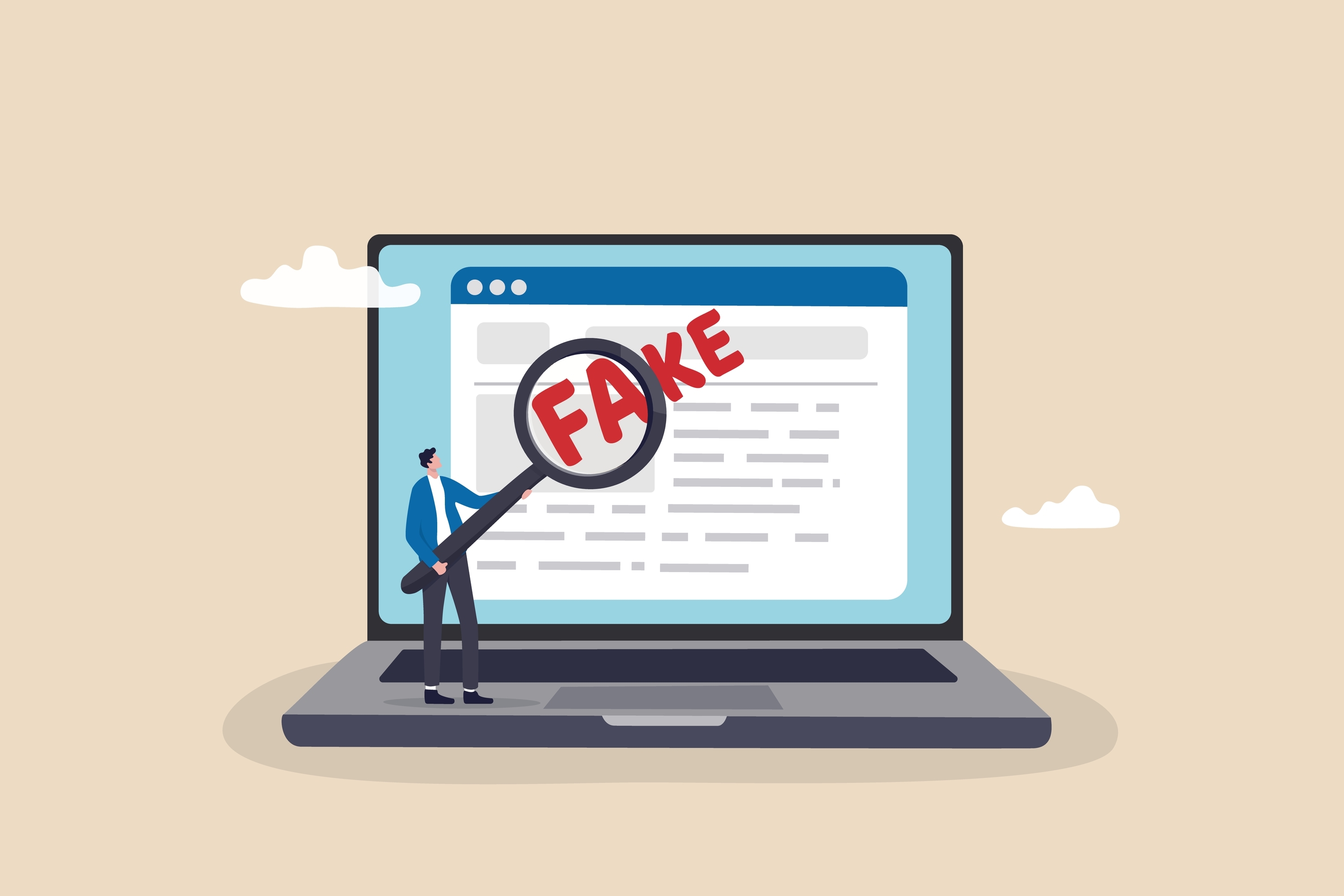
In our conversations with procurement professionals, we often get asked: how do you know a source is trustworthy or not? It’s a valid question. With blogs, social media sites, and more news companies than anyone can count, how do our analysts verify their market intelligence and how can you determine whether or not your own data is reliably sourced and dependable?
Key Takeaways:
- Utilize a system like the CRAAP Test to establish best practices.
- Consider who wrote the article and if they have authority on the topic, biases, political agendas, or axes to grind.
- Identify where and when the article was published.
- Understand whether or not an article is based on facts and quantifiable data or if the piece is the author’s opinion.
How do you establish market intelligence best practices?
The best way to ensure you and your department are on the same page is by establishing a system of best practices for verifying your sources. Put your source through its paces. Determine whether or not it’s a trustworthy, accurate, and valuable piece of information. If you don’t know where to start, use an existing methodology such as the CRAAP Test as a jumping-off point.
The CRAAP Test is a market intelligence verification methodology that was originally developed by librarians in California. While ProcurementIQ has its own best practices when it comes to identifying trustworthy sources, the CRAAP Test encapsulates many of those principles.
What is the CRAAP Test?
The CRAAP Test is a five-part acronym that will take you through many of the aspects you should consider before utilizing a source. Each element of the acronym is interrelated in some way; by combining them, you’re well on your way to thinking like a ProcurementIQ analyst.
Currency
- How timely is the source?
- Some reports are produced so slowly they may no longer be relevant by the time they are released.
Relevance
- Does the information actually relate to your topic or question?
- Can the data be relevant as a proxy for other information that isn’t available?
- Who is the audience your source is trying to address?
- Is the intended audience high school students, Ph.D. graduate students, professionals, or a general audience? Make sure your source is targeted at the appropriate level for your needs.
Authority
- Who wrote the article or report? Who sponsored or published the source?
- What is the author’s experience with the specific topic?
- Was the article written by an undergraduate student and published on a blog, or was it a peer-reviewed paper written by a Ph.D. student, professor, or analyst with strong experience in the topic?
Accuracy
- Is the information supported by evidence or peer-reviewed?
- Are there spelling, grammatical, or other errors in the text?
Purpose
- Why was this article, report, or paper written?
- Is the information fact, opinion, or propaganda?
The CRAAP Test and methodologies like it are not intended to serve as be-all-end-all systems, but they are perhaps one of the best jumping-off points for establishing your own best practices and instilling the trained eye of a market analyst in yourself and coworkers.
What makes a source trustworthy?
So, you have a burning question you need to answer, and you’ve spent hours compiling sources you think might help. But what separates a trustworthy source from an untrustworthy one? Let’s apply the CRAAP Test and other verification principles to determine whether the article you’ve discovered is the right one.
A trustworthy source will have been written by an authority on the topic and published on a reputable website. An authority could be a professor or graduate student with expertise in the topic’s field, market researchers and analysts with years of experience, government officials, or other persons with reasonable credentials.
While it’s impossible to completely remove bias from the picture, most authoritative writers will approach an article through an impartial lens, declare any biases or stakes they may possess, and base their work around evidence-backed facts.
A trustworthy source will be devoid of most spelling or grammatical mistakes and should be published on respected websites. This can include:
- .edu websites and higher education publications
- .gov websites and government publications
- Reputable news sources such as The Washington Post, Associated Press, Reuters, The New York Times, and Forbes (keeping in mind potential conflicts of interest and author biases)
- Academic paper archives such as JSTOR
What makes a source untrustworthy?
Untrustworthy sources may stand up to some parts of the CRAAP Test and your own intuition. While some may appear wildly duplicitous from the onset, not every source will be upfront with its bias or agenda. Here are factors many sources share that will make a source untrustworthy, or at least inappropriate for citation and professional work:
- Written by someone without immediate authority or experience in the topic, such as undergraduate students, unnamed writers, or legitimate writers without specific knowledge or experience in that topic
- Written by someone with implicit bias, political agendas, or investments in the matter (e.g. a cryptocurrency investor writing an article that encourages people to invest in cryptocurrency)
- Opinion articles, or opinion-editorial (op-ed) pieces, while valuable in some ways, are not appropriate for citation and your general procurement process without hard data to support the opinion
- Spelling and grammatical errors
- Published on random websites or blogs
- Websites with names like yournewsnow.com, newsdaily.net, and trustworthyinfo.blogspot are not likely to contain reliable information
This can include a common procurement process such as “going to the market” supplier surveys. While this sort of survey can be useful in addition to other trustworthy sources, surveying suppliers is an instance where the “author” and their implicit biases (i.e. the supplier exaggerating supply chain issues so they can negotiate contracts with higher prices) must be thoroughly scrutinized.
How does ProcurementIQ bridge the gap between procurement and trustworthy sources?
Incorporating source verification into your procurement process and best practices is crucial for an educated procurement department, but holistic procurement solutions such as ProcurementIQ can help bridge the gap and put actionable market intelligence in your hands at a moment’s notice.
Our teams of experienced analysts verify our data sources using a variety of different methodologies to ensure our market intelligence is immediate and up-to-date with the latest trends.
Our analysts’ ability to complete custom research according to your specific market intelligence needs ensures that you always have the unbiased information you need.
Click here to secure your free trial and take advantage of our core collection of market reports!


